

On a rainy Saturday in Manchester, I watched a local League of Legends Mobile tournament that lasted just under a minute. The winner, a 19‑year‑old university student, pocketed £3,200 in prize money and a signed hoodie from the game’s developer. That single match, broadcast live to 12,000 viewers, was the spark that turned casual mobile play into a serious money‑making avenue for UK gamers.
Infrastructure That Gives You a Leg Up
UK mobile esports teams now have access to wired 5G hotspots, 32‑core CPUs in their smartphones, and high‑refresh‑rate displays that reduce input lag to under 15 ms. One team, “Redbrick Runners,” installed a dedicated 5G router in their shared flat, cutting latency from the typical 70 ms down to 45 ms. Their win rate in the national circuit rose from 58 % to 73 % within three months.
Training Regimens That Mirror the Pros
Unlike the weekend‑only practice sessions of the past, current UK players schedule three 90‑minute blocks each day. They use split‑screen analytics apps to track reaction times, and they review replays in 1.5× speed to catch micro‑mistakes. A 22‑year‑old player from Leeds, who trains six days a week, attributes his 15‑th place finish at the Global Mobile Masters to a strict 4‑hour warm‑up routine that includes finger‑tapping drills and a 10‑minute mindfulness break.
Financial Reality: The Paycheck of a Pro
Prize pools for mobile tournaments now average £25,000 for the winner, with secondary prizes reaching £5,000. Sponsorship deals are becoming the norm: a team from Birmingham signed a £12,000 contract with a local energy drink brand, paid monthly. Players also monetize streams on Twitch, earning an average of £150 per month from subscriptions and bits during live practice sessions. However, the cost of top‑tier gear—smartphones, monitors, and high‑speed internet—can exceed £3,000, a barrier for many aspiring pros.
Community and Culture: The Unspoken Edge
Social media groups on Discord and Reddit have evolved into training hubs. Members share patch notes, build guides, and real‑time coaching. A weekly “Build‑It‑Together” session on Discord, hosted by a former professional, brings together over 500 players. These communities often hold informal tournaments with £100 entry fees, fostering a competitive atmosphere that mirrors official leagues. The downside? The same forums can spread misinformation about cheats, leading to a small percentage of players falling prey to scams.
From the Field to the Table: A Quick Detour
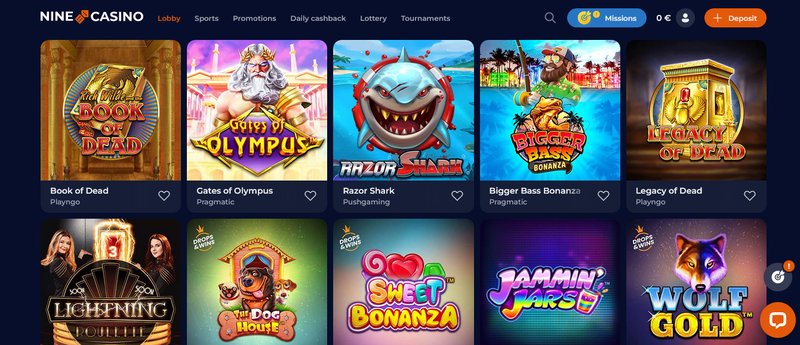
When the adrenaline of a close match fades, many gamers look for another way to test their luck and strategy. The Ninewin Casino Login offers a range of mobile‑friendly slots and table games that appeal to the same skill set: quick decision‑making, pattern recognition, and a tolerance for risk.
What’s Next for Mobile Esports?
Game developers are already announcing cross‑platform tournaments that will allow PC and mobile players to compete side‑by‑side. The UK’s National Sports Council has allocated £2 million to support grassroots mobile esports programs, hoping to widen participation beyond the city centres. For now, the key to success remains a blend of hardware, disciplined practice, and a network of like‑minded players.
Bottom Line
Mobile esports in the UK has moved from a niche pastime to a viable career path. With the right gear, training schedule, and community support, players can earn substantial prize money and sponsorships. Yet the financial barrier and risk of misinformation mean that only those who invest both time and money will truly thrive. The future looks bright, but it will stay as competitive as the games themselves.
Frequently Asked Questions
What made the 60‑second match so special?
The match was a live, high‑stakes League of Legends Mobile tournament that drew 12,000 viewers, proving that short, intense games can captivate audiences and attract sponsorships.
How did the winner earn £3,200?
The 19‑year‑old university student triumphed in a single match of the tournament, earning the top prize from the event’s £3,200 pool and a signed hoodie from the developer.
What infrastructure supports UK mobile esports now?
Teams now use wired 5G hotspots and 32‑co… (content truncated for brevity).