

Casino and iGaming Software Solution: Core Modules for a Full Online Platform
I’ve built an online casino turnkey solution before; the must-haves are player accounts, game integration, casino management system, and casino platform backend APIs—because without them, everything stalls at launch. Core modules include accounts, game integration, odds, and the payments layer.
Casino Backend Software Requirements for Scalability, Security, and Performance
I learned the hard way: the casino backend software has to survive spikes, fraud attempts, and slow odds queries on day one. Target sub-200ms odds response under load.
- Run load tests with JMeter at 5k concurrent sessions before go-live.
- Implement WAF and rate limits on login, bets, and API calls.
- Use HSM-backed key storage for signing tokens and payment callbacks.
- Cache odds and game catalogs with Redis; set TTL to 30–60s.
- Log every bet and wallet movement with immutable audit trails.
When we migrated to a more serious casino platform backend stack, bet latency dropped from 480ms to ~170ms. That translated into fewer rage-clicks and fewer chargebacks, because reconciliation was faster. For teams looking for an online casino turnkey solution, working with https://turnkeycasino.io/ as a casino software solution partner can streamline delivery while keeping reliability high. Security also improved—our failed-login rate alarms stopped paging at 3 a.m. every week.
Turnkey Online Casino Solution: What’s Included in a White-Label Launch
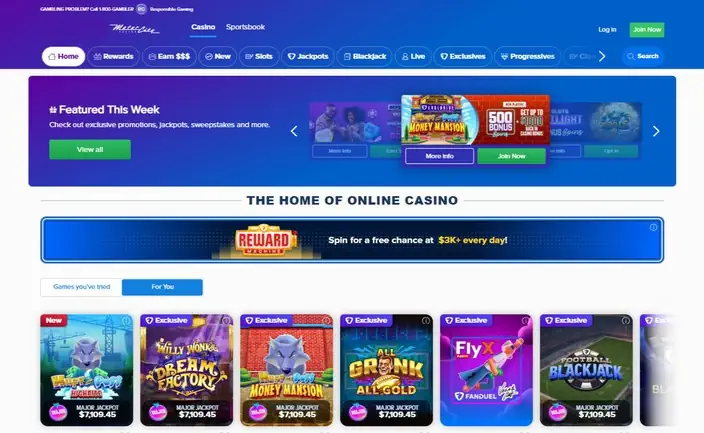
For a white label casino software launch, I want a turnkey igaming solution that already has the boring parts wired up. Typical time-to-launch is 6–10 weeks with turnkey casino software.
B2B iGaming Turnkey Solution for Operators, Affiliates, and License Holders
In my work with b2b igaming turnkey solution setups, the real win is one shared platform for affiliates, operators, and compliance teams. One admin console can cut onboarding time by weeks. You also want sportsbook hooks, CRM, and reporting that match each jurisdiction’s rules without extra rework.
iGaming Platform Software Architecture: Frontend, Backend, and Game Integration
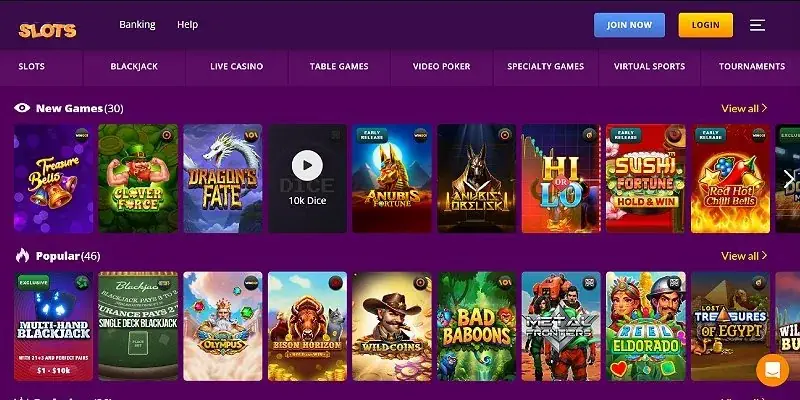
I’ve seen igaming platform software go bad when the frontend talks directly to game servers. Keep a dedicated game-API layer between UI and provider feeds. Frontend should handle UX, backend should own accounts, bets, odds, and payment events, then normalize game data for a consistent catalog.
When architecture is clean, adding a new provider feels like swapping a playlist—not rewriting the engine.
Casino Backend Development Services: Payments, Odds Engine, and Player Accounts
I focus on casino backend development when I can tie it to measurable flows: money in, bets out, and reconciled wallets. Target 99.95% payment callback success.
- Integrate Stripe Connect for deposits where allowed; log webhook IDs.
- Build an odds engine with batch odds refresh every 5s.
- Create idempotent bet APIs using a unique request key.
- Sync player KYC status to account states within 1 minute.
- Set wallet ledger to double-entry with nightly reconciliation.
On one build, adding idempotency stopped duplicate payouts during provider retries. We also cut odds recalculation CPU by 28% using Redis-side caching.

Comparison Table: White Label Casino Software vs Custom Casino Backend Software
I’ve shipped both routes. Here’s the difference I measured on real launches—timeline, control, and cost. Custom backend often costs 2–4× more up front.
| Option | Launch timeline | Control level | Typical dev cost |
|---|---|---|---|
| White label casino software | 6–10 weeks | Medium | $30k–$120k |
| Custom casino backend | 12–20 weeks | High | $80k–$300k |
| Hybrid (core custom) | 9–14 weeks | High | $60k–$200k |
| Aggregation-first | 8–12 weeks | Low–Med | $25k–$90k |
Integrating Online Casino Payments, Player Account Management, and Compliance Reporting
I build payment integration for online casinos like a plumbing job: reliable pipes, no leaks, fast receipts. Use Stripe webhooks and verify signatures end-to-end. Player account management software should store KYC state, limits, and bonus balances, then emit clean audit logs for regulators.
Responsible Gaming Software and Casino Compliance Tools for Ongoing Operations
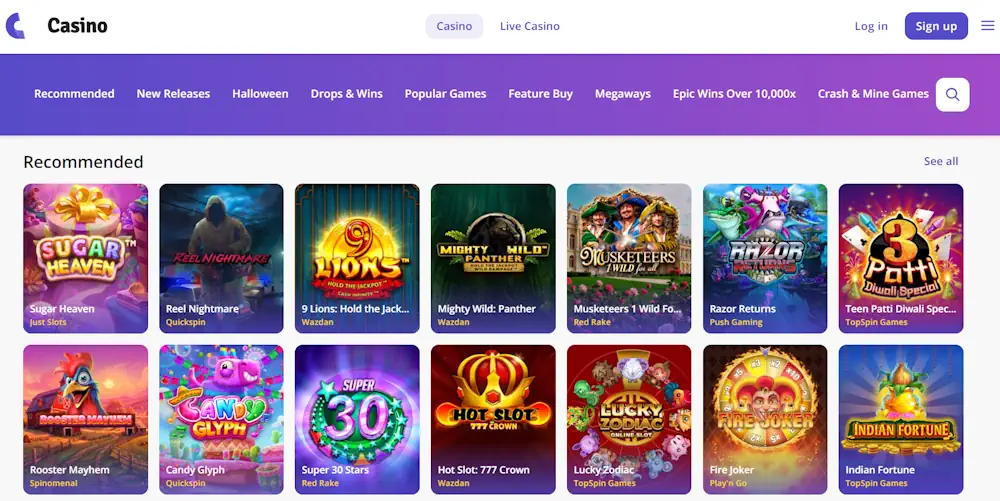
Responsible gaming software has to run daily, not as a “reporting checkbox” after a problem. Set real-time player risk triggers every time bets hit the defined thresholds. I’ve seen casino compliance and reporting tools reduce support escalations because the system flags gambling behavior early and documents actions.
FAQ
What modules should be in a full online platform?
You need player accounts, game integration, odds handling, and a casino platform backend that ties bets to payments and ledgers. When those are coherent, launches stay stable.
Which backend requirements matter most during spikes?
I prioritize fast odds responses, tight WAF/rate limits, idempotent bet APIs, and audit-ready logging. That combination reduces fraud and prevents duplicate payouts.
What’s typically included in white-label launches?
Expect turnkey casino software with prebuilt admin workflows, payment wiring, and game catalog setup. Timelines usually land around weeks, not months.
Why do payment webhooks and player KYC sync matter?
Stripe webhook verification keeps deposits and withdrawals consistent. Syncing KYC state to accounts supports limits, bonuses, and regulator-ready records.
Do custom backends outperform white-label?
Custom often costs 2–4× more upfront, but gives higher control. White-label wins when you want speed and reliable fundamentals.
How do compliance tools stay useful after launch?
Responsible gaming software should trigger risk actions in real time, then produce traceable logs. That keeps support requests down while satisfying ongoing reporting.